Add your promotional text...
The Power of Silence and Prayer.
Discover the Power of silence and prayer as the essential "heartbeat" of the Lenten season. Learn how to cultivate a quiet spirit, overcome modern distractions, and encounter God more deeply during your 40-day journey to Easter
3/1/20264 min temps de lecture
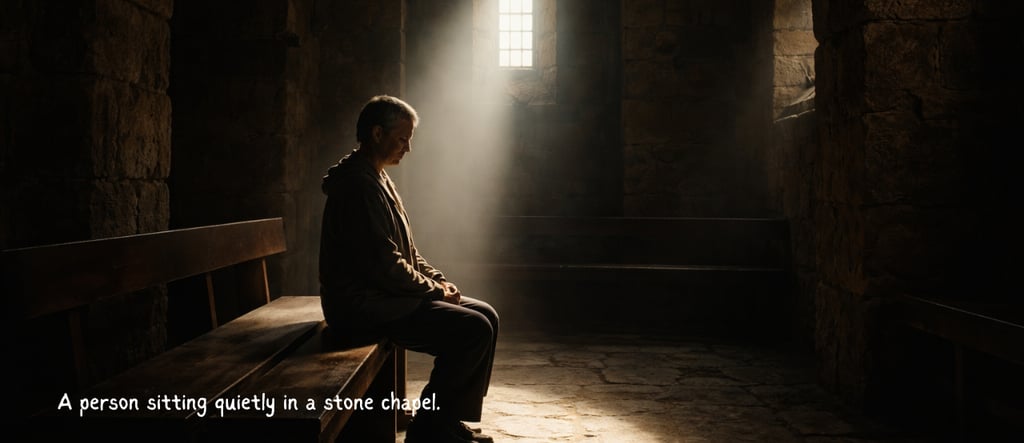
In our modern world, silence is often viewed as an awkward void to be filled. We fill it with podcasts, background music, scrolling through social media, or the constant hum of productivity. We have become a culture that is "noise-addicted," fearing the moments when the external world goes quiet because that is precisely when our internal world starts to speak.
However, as we enter the season of Carême (Lent), we are invited into a different rhythm. Lent is a 40-day desert experience, modeled after Christ’s own time in the wilderness. And in the desert, there is no Wi-Fi, no crowd, and no constant entertainment. There is only the vast silence and the voice of the Father.
If we want to experience the true transformative power of this season, we must understand that silence and prayer are not just religious activities; they are the essential medicines for a soul that has become deaf to the Divine.
1. Silence: The Great Revealer
Most of us avoid silence because it acts like a mirror. When the external noise stops, we are forced to confront what lies beneath the surface: our anxieties, our hidden sins, our restless desires, and our deep-seated fears.
During Lent, this "revealing" power of silence is vital. We cannot repent of what we refuse to acknowledge. By carving out moments of absolute quiet, we allow the Holy Spirit to perform a "spiritual diagnostic" on our hearts.
Silence humbles us: It reminds us that the world continues to turn without our constant input.
Silence clarifies: It sifts through the "urgent" demands of our day to reveal the "important" state of our eternity.
Silence prepares: Just as a canvas must be blank before a masterpiece is painted, our souls must be quiet before God can speak a new word into our lives.
2. Prayer as Daily Bread, Not a Last Resort
If silence is the environment of Lent, prayer is the action. In the Lenten context, prayer shifts from being a list of requests to being a lifeline of survival.
During Carême, our prayer life should transition from transactional (asking God for things) to relational (being with God). When we fast from food or luxuries, we create a physical hunger. Prayer is intended to redirect that hunger toward God. As the body cries out for bread, the spirit responds through prayer, "Man does not live by bread alone, but by every word that comes from the mouth of God."

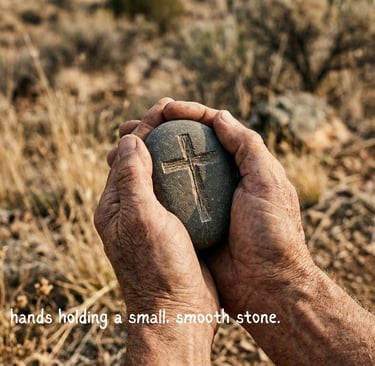
3. Why the "Desert" Requires Both
You cannot have a meaningful Lenten journey with prayer alone while ignoring silence, nor with silence alone while ignoring prayer. They are the two lungs of the spiritual life.
Prayer without silence often becomes a monologue. We talk at God, but we never wait to hear from Him. We treat Him like a vending machine rather than a Sovereign King.
Silence without prayer can become mere meditation or "emptying the mind." While helpful for stress, it lacks the relational connection that transforms the heart. Christian silence is not about emptying the mind, but about making room for the Guest.
In the desert, Jesus didn't just sit in silence; He used the silence to fortify Himself through communion with the Father. When we pair the two, we create a "sacred enclosure" where real change happens.
4. Overcoming the "Noise Barrier"
The greatest enemy to your Lenten growth is the "Digital Noise" of the 21st century. Our devices are designed to keep us stimulated, making the 40 days of Carême feel like a battle against our own attention spans.
To make silence and prayer matter this season, we must practice Digital Asceticism:
The "First Hour" Rule: Do not touch your phone for the first hour of the day. Give that silence to God.
The "Drive-in-Silence" Challenge: Turn off the radio or podcasts during your commute. Let the car be your temporary desert.
The "Evening Taper": Shut off screens 30 minutes before bed to allow the soul to settle into a prayerful state before sleep.


5. The Fruit of a Quiet Lent
What happens when we commit to this? When we stop running from the quiet and start leaning into the conversation of prayer?
Internal Peace: You will find a "peace that surpasses understanding," even when external circumstances are chaotic.
Sensitivity to Sin: You will begin to notice the small "weeds" of pride or selfishness before they take deep root.
A Deeper Love for Easter: If you have spent 40 days in the quiet company of the Suffering Servant, the joy of the Empty Tomb on Easter Sunday will be exponentially more powerful. You cannot appreciate the "Hallelujah" if you haven't sat in the "Selah" (the pause).
Conclusion: An Invitation to the Deep
This Lenten season, "The Daily Breadline" invites you to do something radical: be still. Don't just "do" Lent; "be" in Lent. Let the silence strip away the distractions, and let your prayer build a bridge back to the Father's heart. The desert isn't a place of punishment; it’s a place of intimacy. God is waiting for you in the quiet. Will you show up?
// Step Into the Silence: Try this today: Set a timer for just five minutes. Sit in total silence. Don't ask for anything. Simply say, "Lord, Your servant is listening," and see what happens in the quiet.